Skip to content

Timeline Of Treatment - Orofacial Clefts

Age Of ChildWhat should be done?
Pre-natalCounselling parents Genetic testing (when necessary)
At birthFirst consultation, Feeding advice, Nutritionist’s support, Hearing screen, Pediatric monitoring, Nasoalveolar moulding
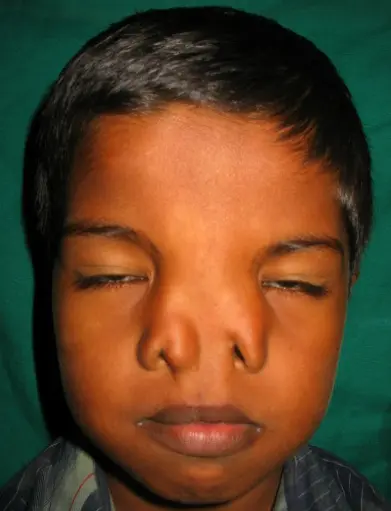
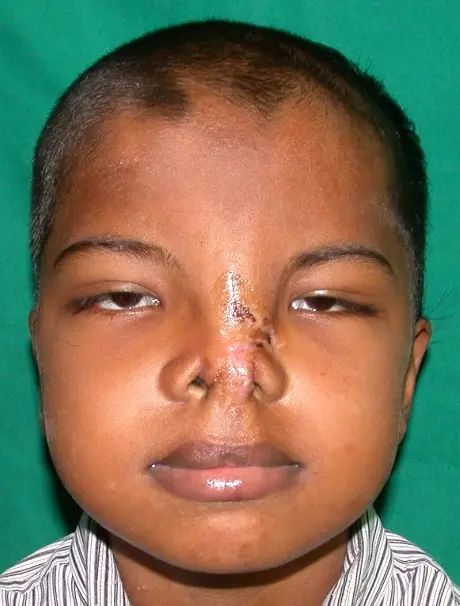
6 monthsLip, Anterior palate and nose repair ,Ear examination and grommet insertion
11- 18 monthsSoft palate repair, Advise on Speech stimulation
1- 2 yearsRepeat Hearing screen
2 – 4 YearsPaediatric dentistry,Close watch on development of speech.
5 years +Pre school lip/nose touch up | VPI Correction | Pre ABG orthodontics
6 – 12 YearsAlveolar bone grafting,Post ABG orthodontics
11-16 yearsAnterior Maxillary distraction
18+ YearsOrthognathic Surgery, Revision,Rhinoplasty

What to expect at the time of admission for surgery?

  • We normally need 2 – 3 days to complete the entire process. We admit the child one day prior or very early on the morning of the operation. The anesthetist will advise on how long the child has to stay without any feeds or water – This is important for safety during general anesthesia.
  • The child along with the parents can move from the ward / room to the patient waiting area of the operating room (OR).
  • One doctor from the anesthesia team and one from the surgical team along with the scrub nurse will complete a safety checklist following which we will arrange to transport the baby to the OR. Depending on the complexity of the procedure, the operation will take anywhere from 2 – 5 hours. Kindly note that some complex craniofacial procedures may take 12 or more hours.
  • Following the operation, unless there are specific indications the mother may enter the post op recovery area to receive the baby. The baby stays a minimum of 2 hours or longer in the post operative recovery area. Just before transferring the baby to the ward the post op nurse will ensure that the child is started on oral feeds.
  • The intravenous fluid may be discontinued once the child starts regular feeds, but we may retain the intravenous cannula till the next day for safety reasons. Most children will be discharged the next day.

Post operative instructions.

Keep the baby’s head slightly elevated compared to the rest of the body. Clear water after each feed to keep the mouth clean. Older children and adults may be asked to gargle. Following cleft lip repair there may be a small dressing which will be removed the next day. The sutures will be removed under mild sedatives on the 4th or 5th day following the operation. The doctor may prescribe post operative antibiotics along with probiotics and oral pain relief.

Commonly performed operations. (Seperate Tab) Lip and anterior palate repair:

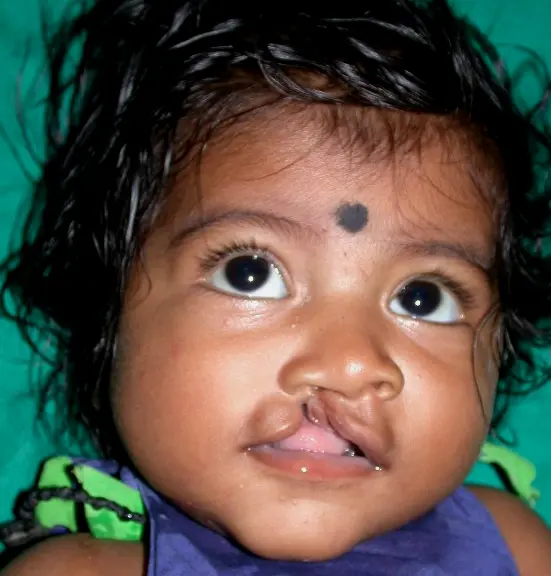
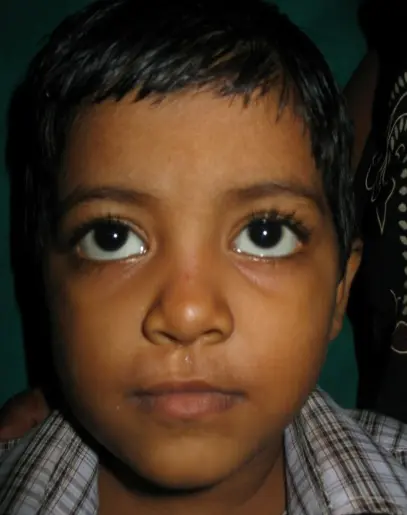
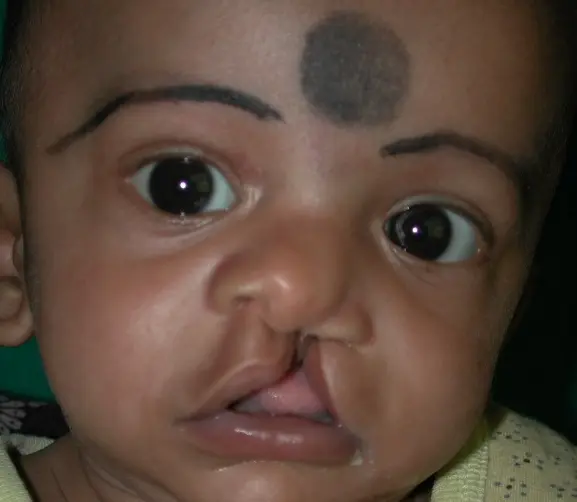
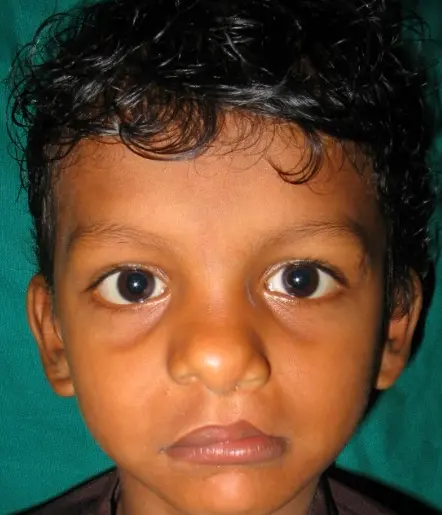
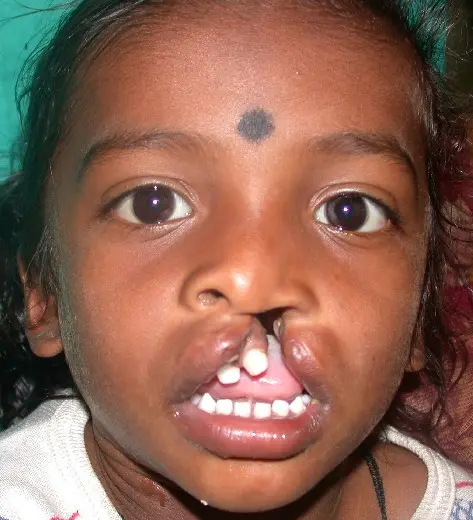
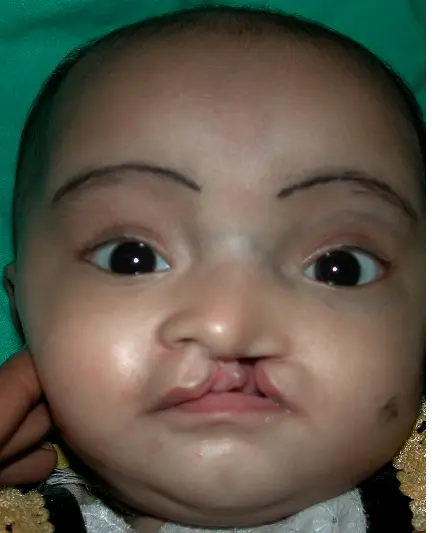
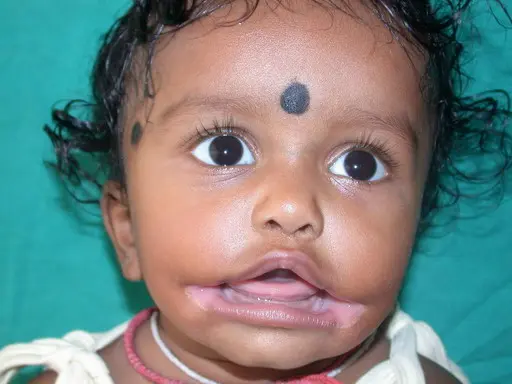
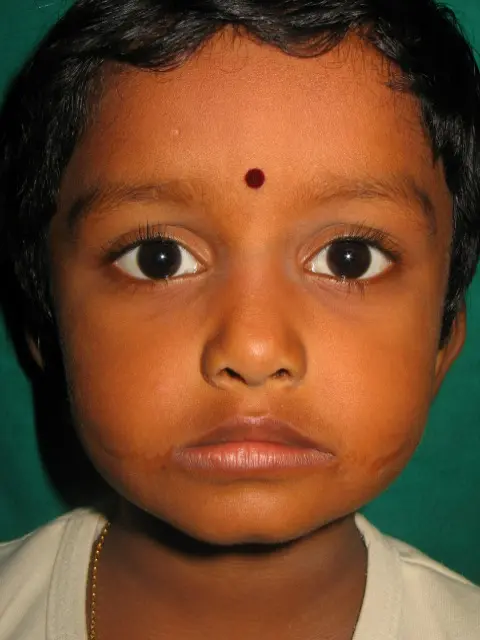
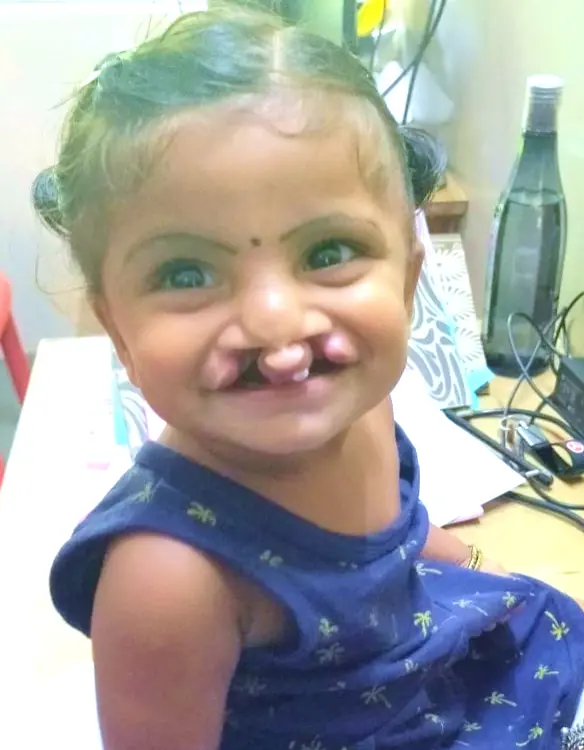
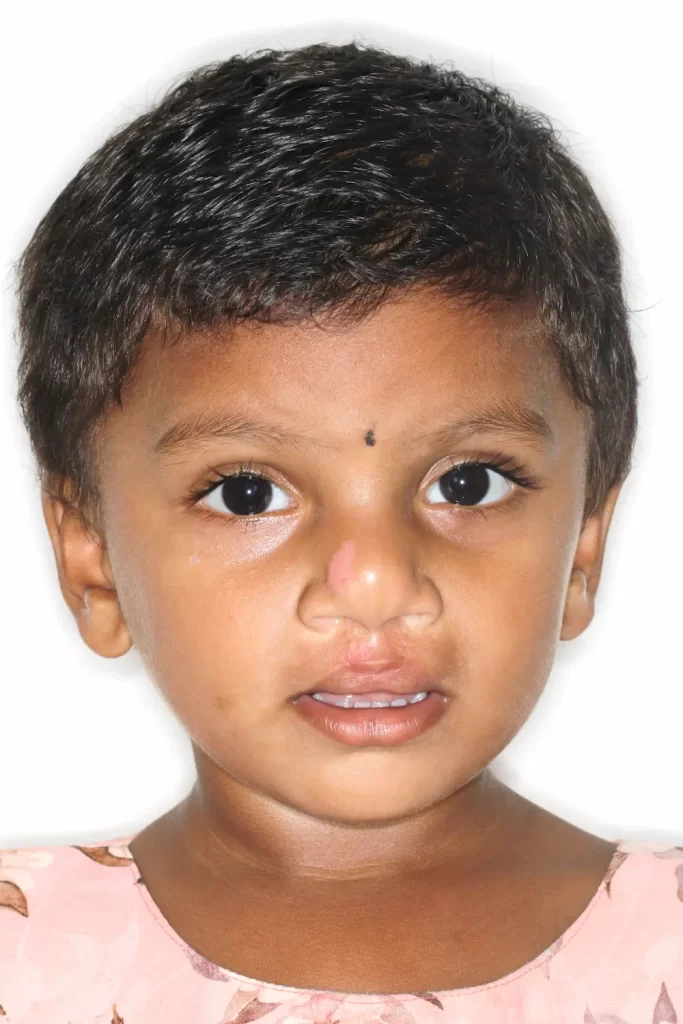
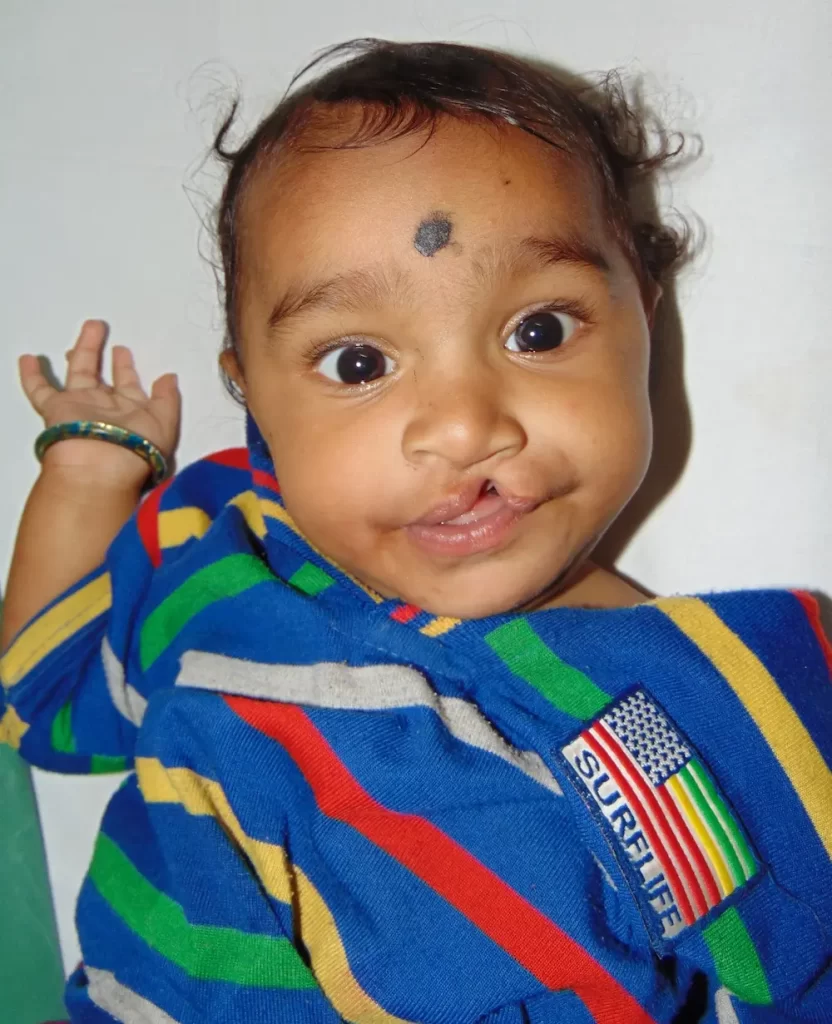
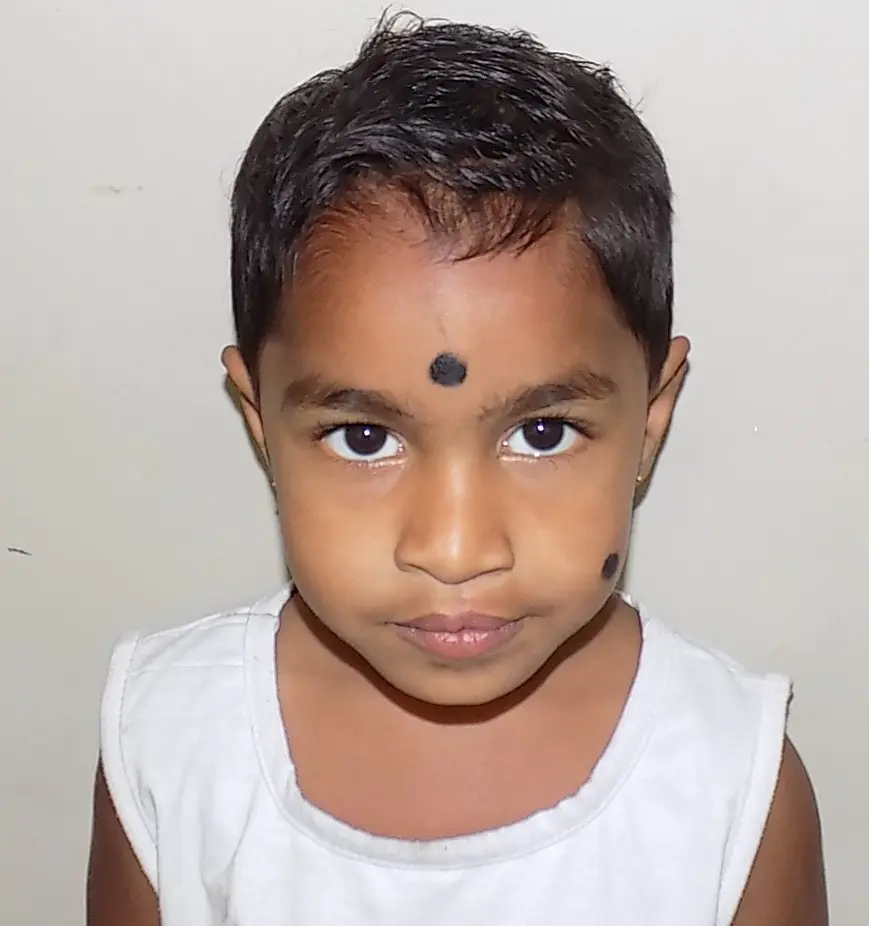
This is done under General anesthesia. The surgeon carefully restores the lip to it’s natural shape and continuity aligning all natural landmarks to achieve a normal, relaxed looking lip keeping in mind scars, growth of the midface and speech.

Palate repair

Currently we do the palate repair in cases with complete cleft lip and palate in 2 stages.

Stage 1 – we do the repair of the mucoperiosteum of the hard palate using a vomerine flap.

Stage 2 is done 6 months later to correct the soft palate cleft.

Cleft palate alone is done in one stage.

Alveolar bone grafting

This operation is done to restore the continuity of the upper jaw and allow the teeth, particularly the permanent canine to erupt normally.

A small amount of bone pulp (Cancellous bone) is taken out from the hip bone through a small 2 to 2.5 cm incision. This is packed into the gap caused by the cleft when the child is between 7 and 11 years of age. In a bilateral cleft ABG is performed in 2 stages, six months apart.

Velopharyngeal dysfunction

Velopharyngeal dysfunction is a condition where the velo pharyngeal closure mechanism which directs air through the nose or mouth during speech has failed. The commonest cause is failure to restore complete movement of the soft palate during cleft palate repair. This can be corrected either by revision surgery of the palate or in severe cases by Pharyngoplasty

Midface skeletal correction

In some children with clefts the growth of the upper jaw (Maxilla) does not keep up with the growth of the lower jaw (Mandible). However, this is correctable. It usually needs a combination of Orthodontic treatment and surgery. Our orthodontists may need to work on the child before and after the operation. Though the duration is variable, sometimes it takes several months to achieve this. Typically, the orthodontist uses wires which he or she will periodically adjust. This treatment may be necessary for a few weeks before surgery and for several weeks after surgery. Surgical correction may include distraction osteogenesis or orthognathic surgery or a combination of the two.

What is distraction osteogenesis?

This is most often done in children or young adults and sometimes in older patients. It is a process by which the surgeon makes a pre-planned* cut in the bones of the upper or lower jaw or both. A device to move the cut ends apart is fixed at the time of the operation and all wounds are closed. In the days following the operation, the device is activated to move the segments apart very slowly, usually over a period of several weeks to correct the discrepancies in the shape and size of the jaws. This process helps form natural bone during the course of distraction. The planning is done by the orthodontist in consultation with plastic / maxillofacial surgeon.

What is Orthognathic surgery?

Orthognathic surgery is mostly possible in people who have completed their growth. The orthodontist and the surgeon precisely plan placing cuts in bones and moving the segments to a pre-planned desirable position to restore function as well as get a pleasing aesthetic outcome or both. The cut segments are usually fixed with titanium plates and screws so that they retain their new shape and position.

Pre-op

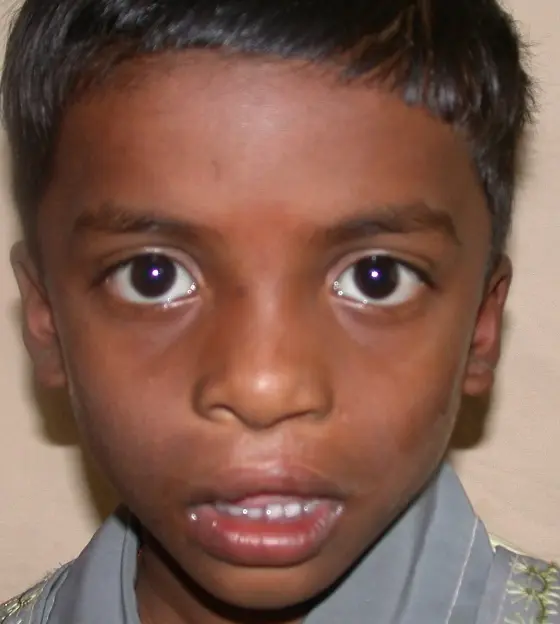
Post-op

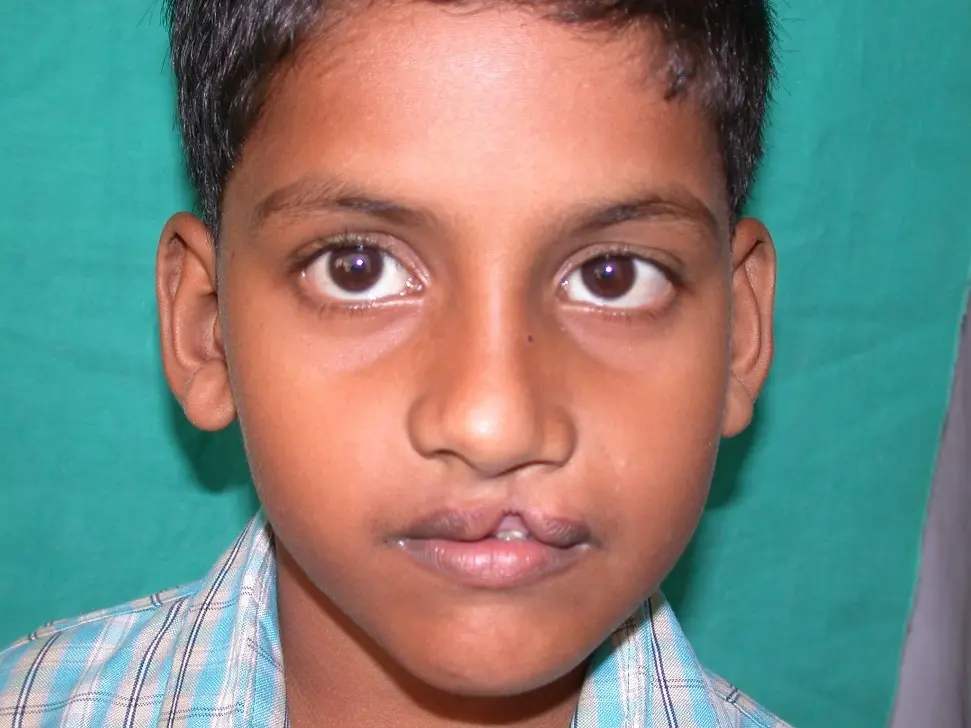
Pre-op

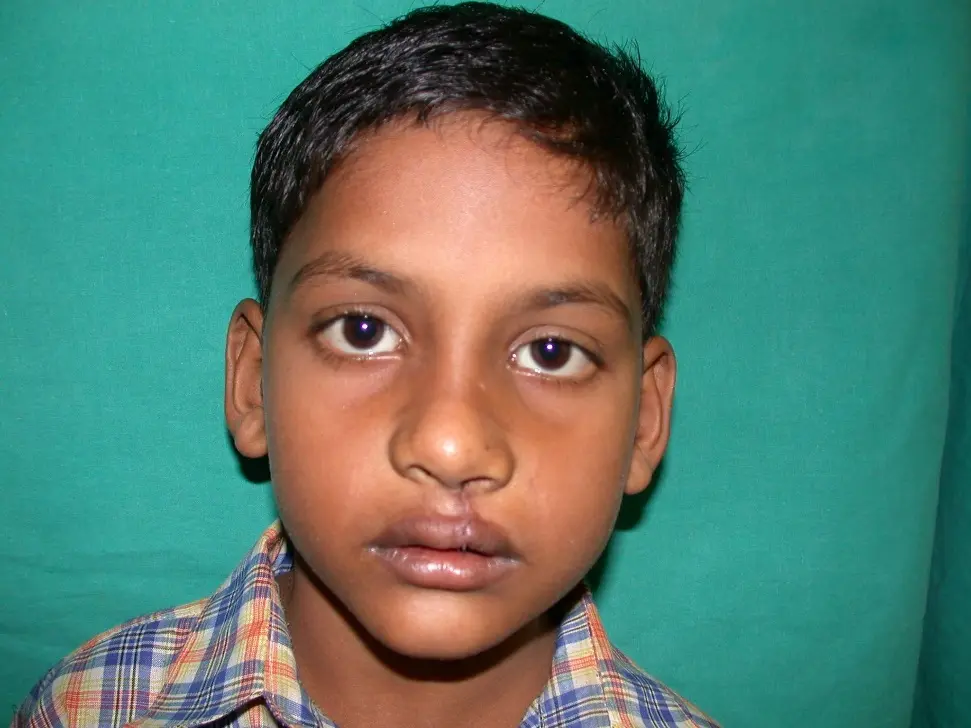
Post-op

Pre-op

Post-op

Pre-op

Post-op

Pre-op

Post-op

Pre-op

Post-op

Pre-op

Post-op

Pre-op

Post-op

Pre-op

Post-op

Pre-op

Post-op

Play Video

Make an Appointment with